
The forecasts say AI will change everything. The useful part for your brand is smaller, and more valuable than it sounds.
The short answer. AI is very good at the early, messy part of branding: turning a vague idea into visual directions you can see, producing variations cheaply and keeping images consistent once a direction exists. It is bad at deciding what your brand stands for, and it doesn't replace taste. The giant market forecasts sell AI as a replacement for whole jobs. That pitch makes the real, narrower wins easy to miss, and it sets people up to be disappointed when AI doesn't do the job of a whole agency.
In 2023, McKinsey estimated generative AI could add $2.6 trillion to $4.4 trillion a year to the global economy. In 2025, an MIT study of companies using generative AI found that about 95% of their pilots had produced no measurable financial return.
Both can be true at the same time. The trillion-dollar number is a forecast about AI doing entire jobs across entire industries. The 95% number is what happens when a company buys that story and points AI at a whole job it can't do yet. Neither number tells a small business owner the thing they actually need to know: what is this good for on Tuesday afternoon, when I need my brand to look like something?
When the pitch is “AI replaces your designer,” you judge AI against a designer. It loses, because a good designer asks questions, pushes back and makes choices with taste. So people try it once, get a pretty but generic logo, and decide AI branding is a gimmick.
That's the wrong test. Hype inflates the big claims and hides the small ones, and the small ones are where the value is. AI doesn't need to replace a designer to be worth using. It needs to save you the three weeks between “I have an idea” and “I can finally see it.”
The hardest moment in branding is the start, when all you have is a feeling about your business. AI is excellent here. Describe the business in a sentence and you get a full visual direction in minutes: palette, type, mood and how it looks on real things. You react to something real instead of staring at nothing.
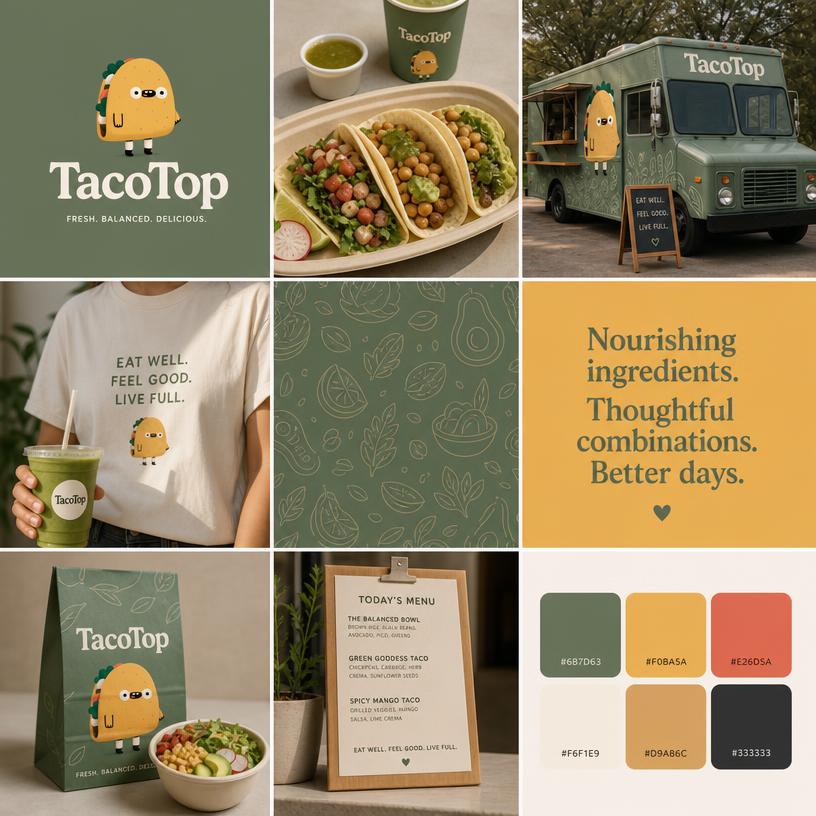
“Warm but premium” means something different to everyone. A picture settles the argument. AI lets you see what an idea looks like on a sign, a bag or an Instagram post before you pay anyone to make it. That's useful whether you're deciding alone or getting a co-founder, a client or your mom on the same page.
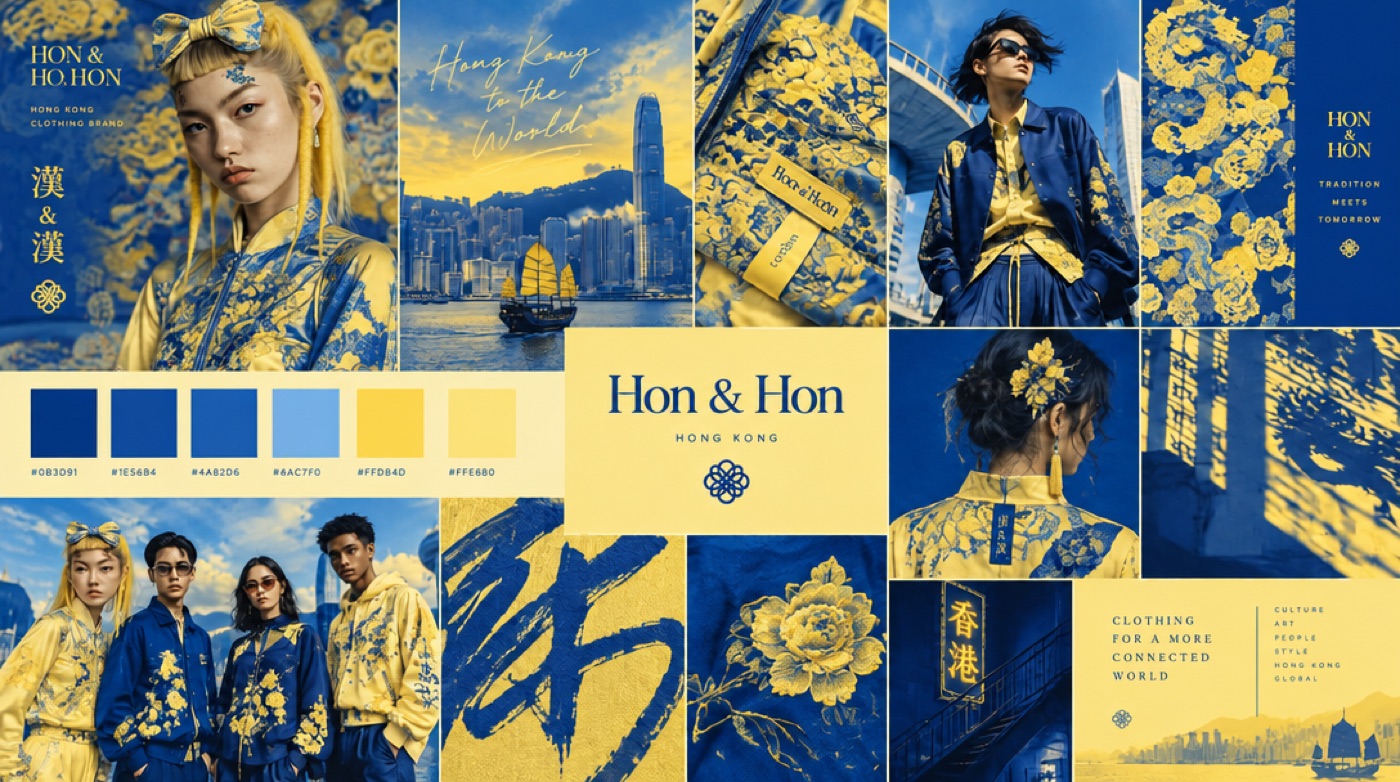
A designer charges for every round. AI makes a round nearly free. More playful, darker, more premium, a different color: you can try ten versions of a direction in the time it takes to write one email about it. Cheap variations are how you find out what you actually like.
Left alone, AI image tools are inconsistent. Every image looks like it came from a different company. Given a clear reference, they get much better. That's why we built MoodyBoards around the mood board: once your board exists, every image you make on it uses that board as its brief, so a product shot and a social post look like the same brand. We wrote more about that in why you never write a prompt in MoodyBoards.
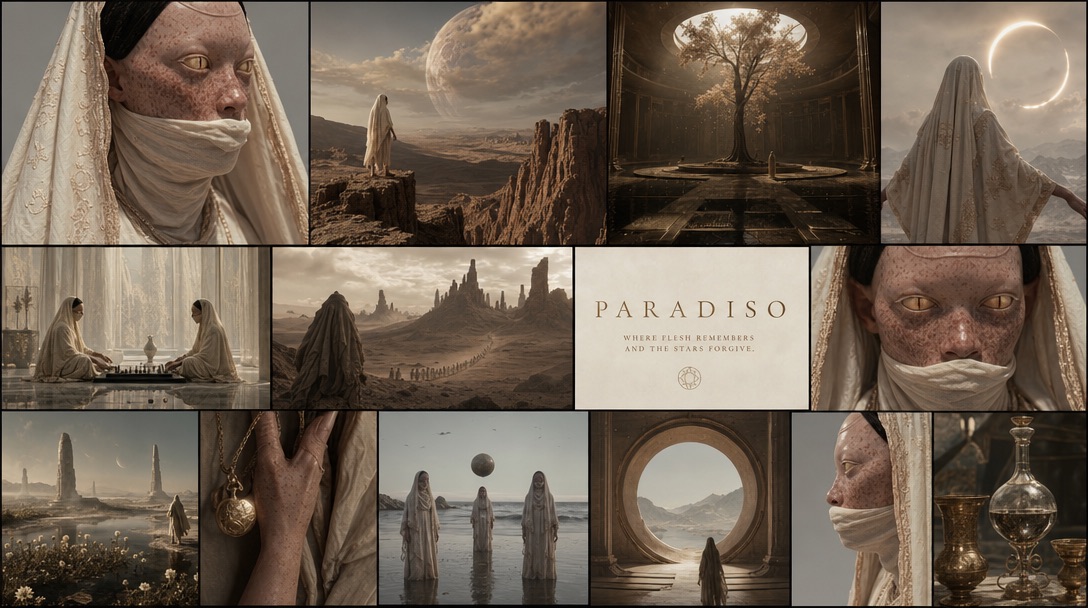
Ignore the trillion-dollar forecasts when you're deciding whether AI is useful for your brand. Ask a smaller question: does it get me from an idea to something I can see, faster and cheaper than before? For branding, the answer is clearly yes. That's not world-changing. It's just useful, and useful is underrated.
Yes, for the early stages: exploring visual directions, seeing ideas on real objects and making consistent everyday images. It's not a replacement for deciding what your brand stands for.
AI is good at exploring logo directions quickly. For a permanent logo, have a designer refine the one you like and produce clean vector files.
Not the good ones. AI speeds up exploration and production. Strategy, taste and final decisions are still human work.
Most AI image tools start from scratch on every image. Giving every image the same reference, like a mood board, keeps the palette, type and mood consistent.
Your first mood board and first image are free, no card required.