Pick a direction, describe your brand, and get a real, original board — palette, typography, lighting, and on-brand images — in seconds.
A mood board template gives you a starting structure: a category and a creative direction to react to instead of staring at a blank canvas. Most template tools stop there — you still have to source your own photos, drop them into a fixed grid, and hope the pieces feel like one idea.
MoodyBoards works differently. A mood board template here is the jumping-off point, not the finished file. You choose a direction, describe your brand or story in a sentence or two, and MoodyBoards generates a board that's actually yours: a coherent palette, type pairing, lighting, and mood — plus on-brand images that inherit that exact direction. Nothing is stock, nothing is borrowed, and every board is built around your idea rather than someone else's photo library.
Start from the template closest to what you're making. Each one sets a different tone, reference set, and image style, so the board lands in the right world from the first generation.
Build a full visual direction — palette, type, texture, and tone — for a new or rebranding company. Fits founders, brand designers, and studios shaping an identity from scratch.
Set the mood for a collection or lookbook with fabric, silhouette, color, and styling references. Fits fashion designers, stylists, and labels planning a seasonal drop.
Define a space's materials, light, and palette before a single piece is sourced. Fits interior designers and architects pitching a room, home, or hospitality concept.
Capture a wedding's palette, florals, settings, and overall feel in one cohesive board. Fits planners, couples, and event designers aligning vendors on a vision.
Explore packaging direction — materials, finishes, label type, and shelf presence — before production. Fits product brands, packaging designers, and CPG teams.
Lock a feed's look so every post, story, and ad feels like the same brand. Fits social managers, creators, and agencies running content at volume.
Establish a film or series' visual language — color grade, lighting, and key-art tone — for pitches and decks. Fits directors, producers, and motion studios.
Shape a venue's atmosphere across interiors, plating, menus, and signage. Fits restaurateurs, hospitality brands, and the designers building their world.
Set the art direction for a magazine spread, campaign, or zine — typographic feel, photography style, and grid mood. Fits editors and art directors.
Give a product brand a clear, modern direction — UI tone, illustration style, and marketing imagery. Fits SaaS founders, product designers, and growth teams.
Each of these is a real generated board. Copy the starter description into MoodyBoards, swap in your own brand, and you'll get a board in this direction — then every image you generate inherits it.
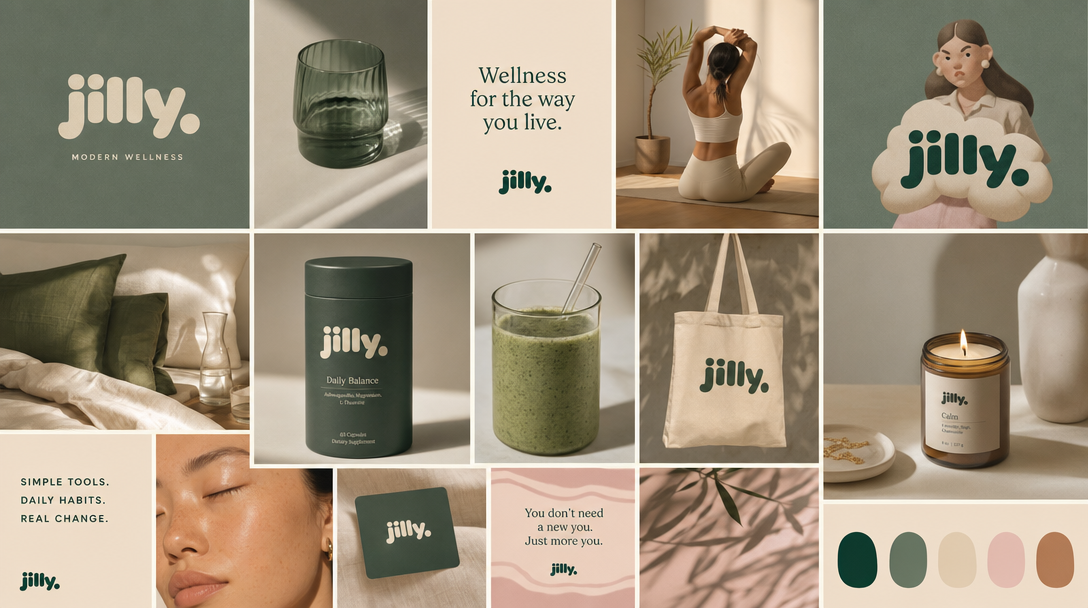
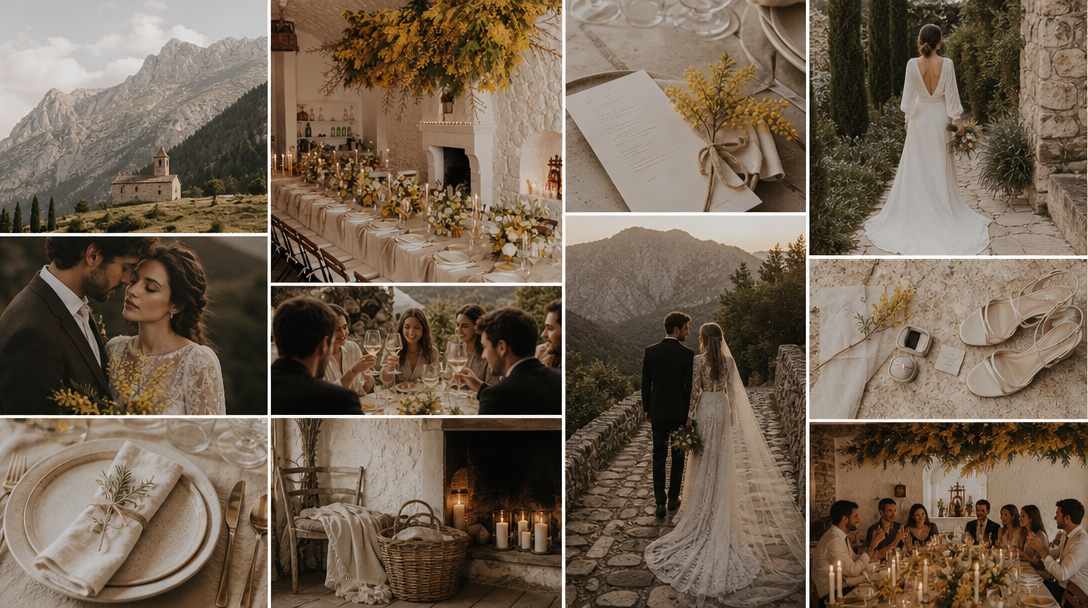
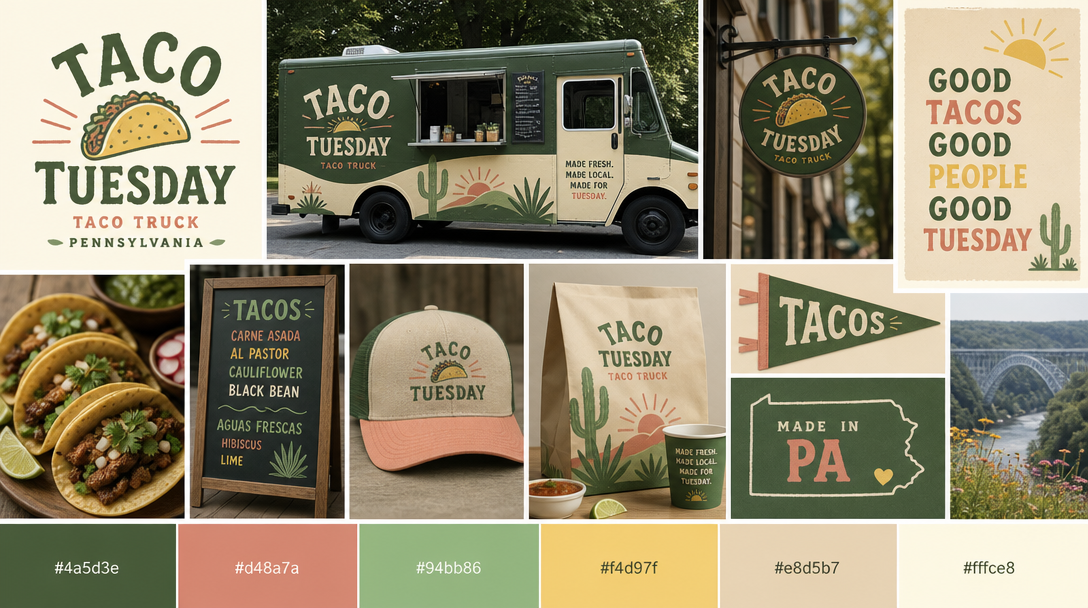
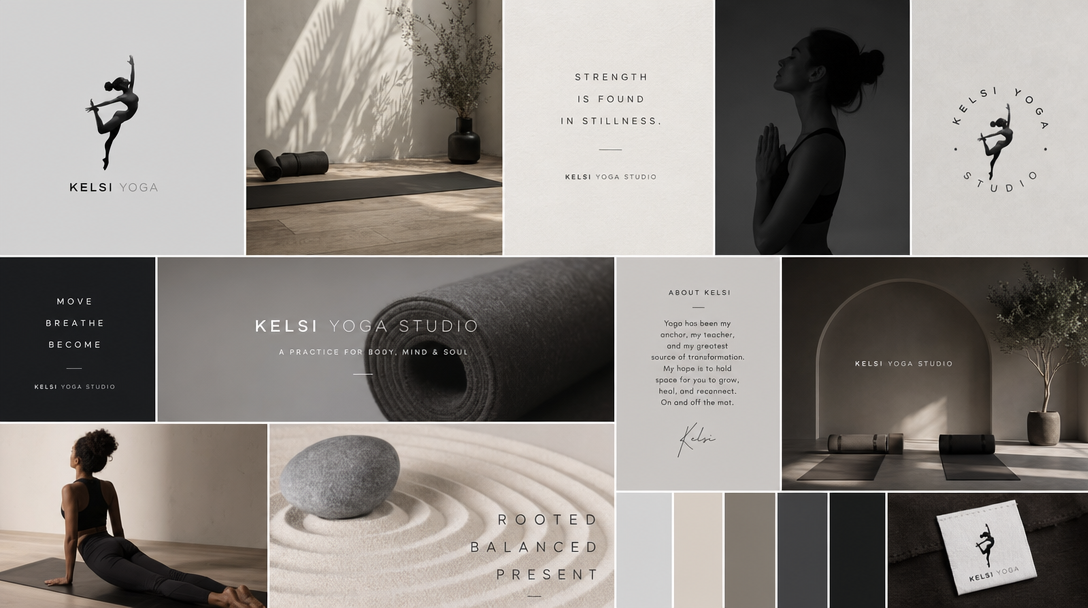
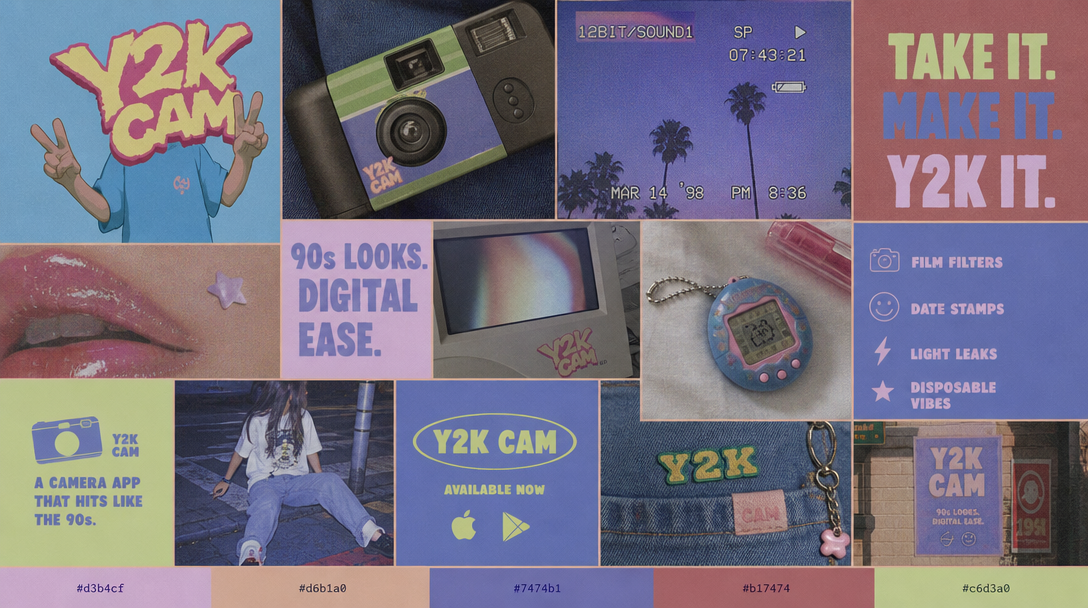
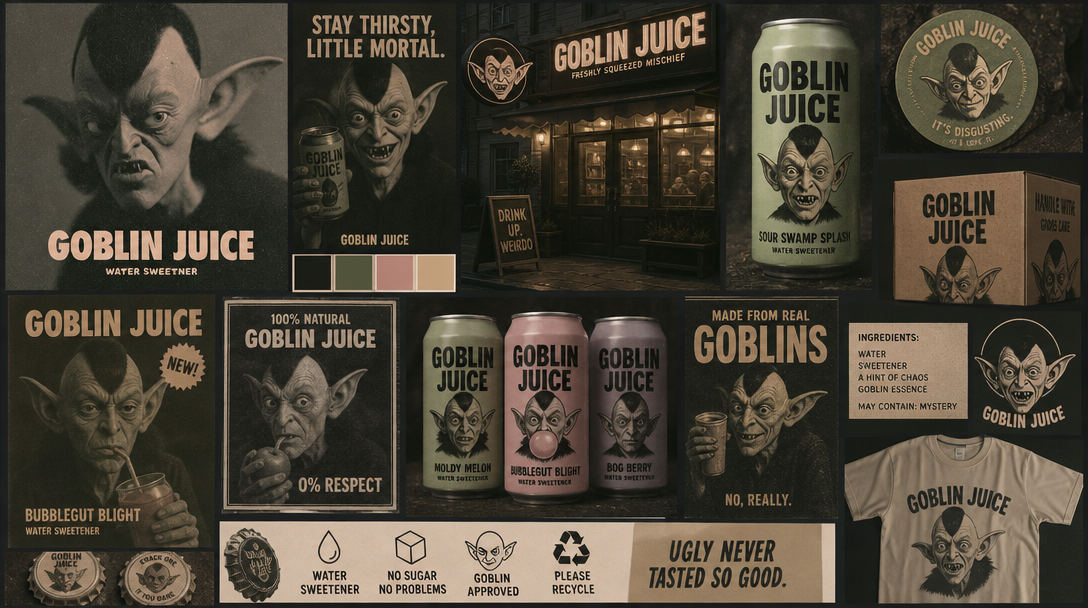
A static template is a frame you fill with whatever photos you can find, so two people using the same one end up with the same look. An AI template is a direction your brand gets poured into, so the board comes out original every time. You're not arranging stock — you're generating a palette, type system, and matching imagery that already belong together. And because everything's created around your description, you can shift the mood, re-run it, and explore variations without hunting for new reference images. The result is a board you can actually ship into a deck, a pitch, or a live campaign — cleared for commercial use, with no attribution required.
Yes. You can start with any template for free — pick a direction, describe your brand, and generate a board at no cost. Paid plans (Starter $9.99/mo, Pro $19.99/mo) unlock more depth when you need it.
Yes. Boards and images you generate are cleared for commercial use with no attribution required, so you can put them in client decks, pitches, packaging, and live campaigns.
A static template is a fixed layout you fill with your own stock images. A MoodyBoards template is a starting direction: you describe your brand and it generates an original board — palette, typography, lighting, and on-brand images — built around your idea instead of someone else's photos.