Set a collection's visual direction — palette, fabric, silhouette, casting — then generate on-brand lookbook and campaign images that match it.
Every collection starts as a feeling before it becomes a garment. A fashion mood board is where that feeling gets pinned down. Designers use it to lock the collection's direction early: the color story that runs through every piece, the fabrics and textures that define the hand, the silhouettes and styling references that shape the line, and the casting and campaign look that will sell it. Get the board right and the rest of the work — sketching, sourcing, sampling, shooting — stays coherent. Get it wrong and the collection drifts.
Traditionally this means hours of clipping runway shots, fabric swatches, and tear sheets, then arranging them until the direction reads. MoodyBoards collapses that. Describe the collection in plain language and it builds a board — palette, typography, lighting, mood — then generates on-brand images that inherit that exact direction. No attribution, cleared for commercial use, so the output drops straight into your deck, lookbook, or pitch.
A board only works if it covers the dimensions a collection actually lives on. These are the pieces that keep a line reading as one idea:
The palette that runs across every look — hero tones, supporting neutrals, and the accent that ties the season together.
The hand of the collection: matte vs. sheen, drape vs. structure, the surface details that define the material language.
Reference shapes and proportions, layering logic, and the styling cues that signal how the pieces are meant to be worn.
The type direction for labels, lookbook, and campaign — sharp and editorial, soft and humanist, or stark and utilitarian.
The energy of the people and the world they live in — the attitude the campaign should project to its buyer.
Where the collection breathes — studio vs. street, hard light vs. soft, the setting that frames the clothes.
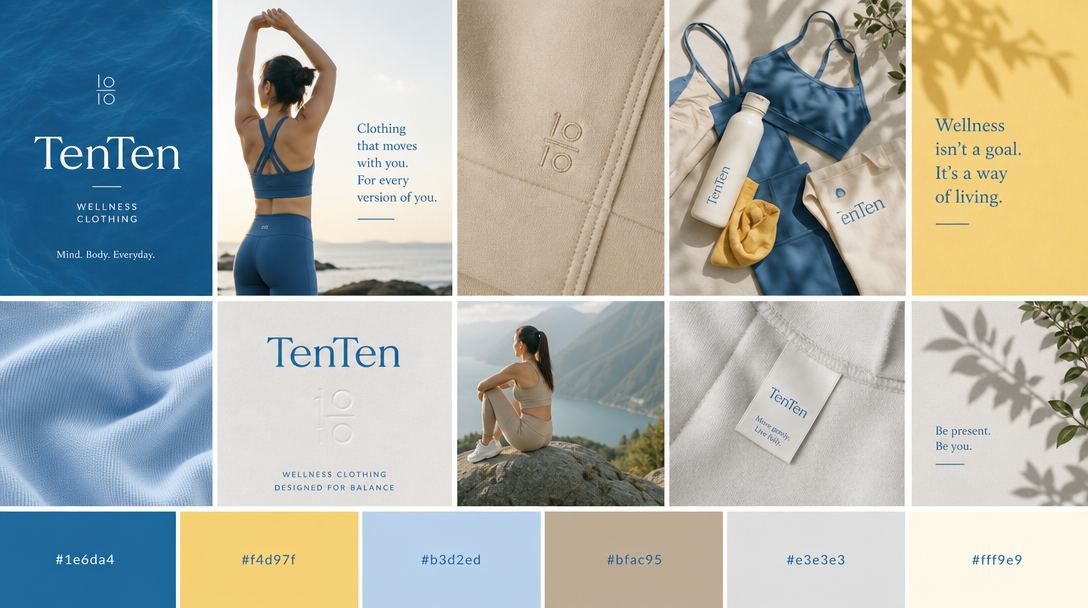
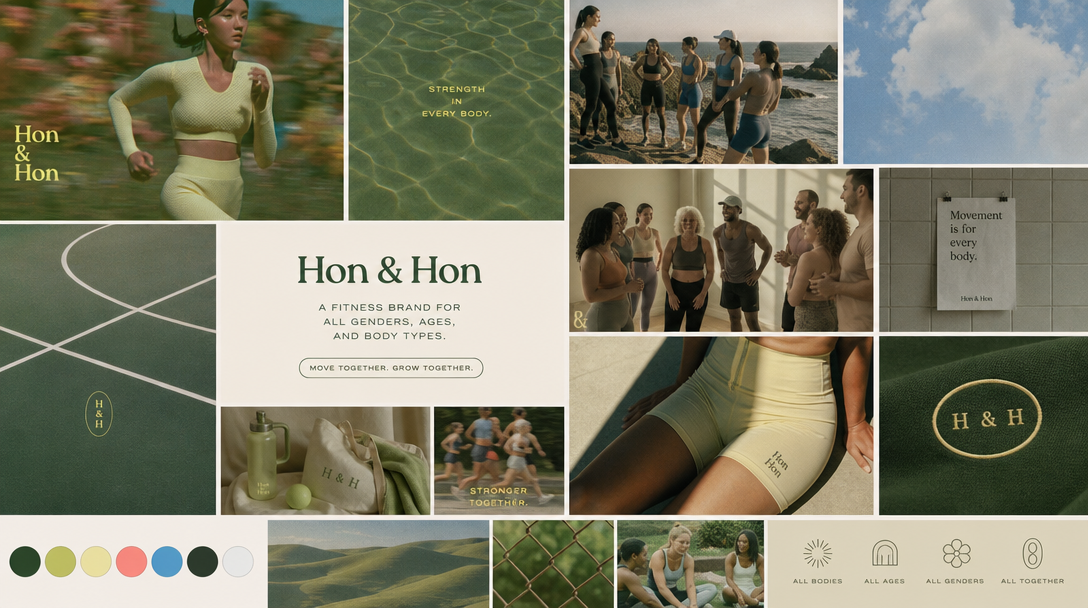
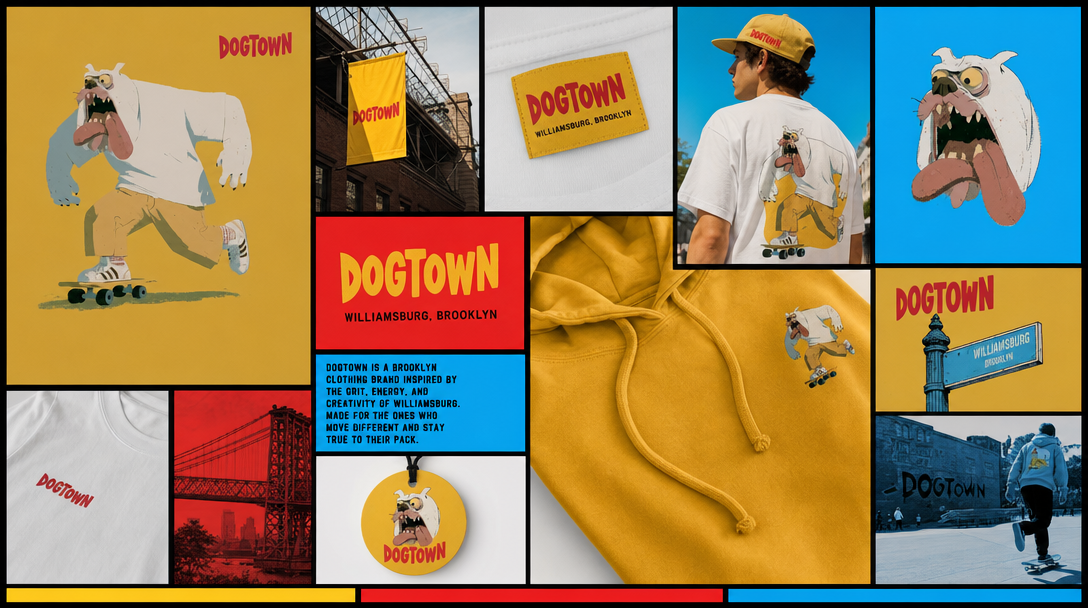
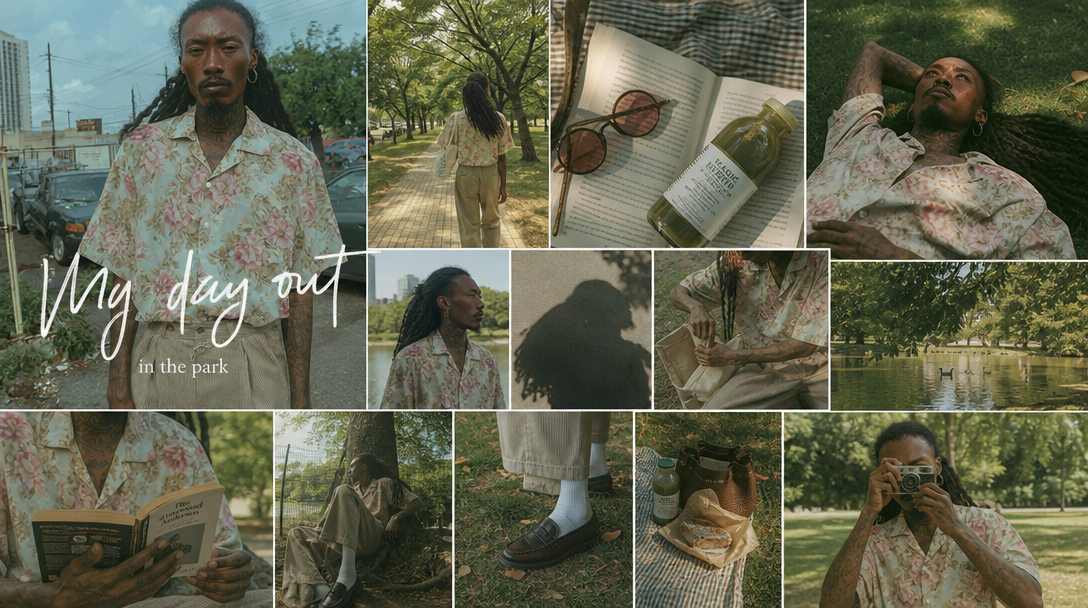
All four were generated from a written brief. Look at what each one locks: palette, fabric, casting, and light — the four decisions that keep a collection from drifting.
Three steps, tuned for how a collection actually comes together.
Write the direction the way you'd brief a team — "structured tailoring in cold greys, sharp and quiet" or "soft knitwear, sun-bleached, warm and worn-in." MoodyBoards reads the intent and proposes a palette, type, lighting, and overall mood you can adjust.
Drop in runway shots, fabric photos, casting references, or last season's lookbook. Add your logo so the board carries your brand. MoodyBoards pulls the visual direction out of what you upload and folds it into the board.
Once the direction is set, generate images that inherit it — lookbook frames, campaign visuals, styling concepts — all consistent with the board's palette, texture, and mood. Keep what works, refine what doesn't, export when it's right.
The board adapts to the work in front of you:
Start free. Starter is $9.99/mo and Pro is $19.99/mo when you want more depth. Everything you generate is cleared for commercial use, no attribution required.
A fashion mood board is a single visual reference that sets a collection's direction — its color story, fabric and texture, silhouette and styling references, typography, and casting or mood. Designers use it to keep a collection coherent from sketch to campaign.
Yes. Images you generate with MoodyBoards are cleared for commercial use with no attribution required, so you can put them in lookbooks, decks, and campaign work.
No. Describe the collection's feeling in plain words, add reference images and your logo if you have them, and MoodyBoards builds the board and generates on-brand images that inherit its direction.