Clients want options. You want every option to look finished. And the design pitch is usually unpaid. Here is how freelance designers and small studios can give clients a real choice without paying for it in nights and weekends.
Show clients two or three clearly different visual directions as mood boards, not finished designs. Keep each one equally polished so the client judges the idea, not the rough edges. And keep the cost of each direction close to zero, because pitching free is part of the job and the hours you spend there come out of your margin.
Show a client one direction and you've asked a yes-or-no question. If they say no, you're back at the start with nothing to steer by. If they say yes, they often feel they weren't given a choice, and the doubts come back two rounds later.
Show three, and the conversation changes. The client stops asking “do I like this?” and starts saying “more like this one, but warmer, with the type from that one.” That sentence is the most useful thing you'll hear all project. It tells you exactly where to go, and the client feels it was their call.
The point of options isn't to let the client design the brand. It's to find out what they actually want, fast, using pictures instead of adjectives. “Modern but approachable” means something different to everyone. Three boards side by side mean the same thing to everyone in the room.
Here's the trap. You have a favorite. You put real hours into it, then rush the other two to have something to compare it with. The client can tell. They pick between one finished thing and two sketches, and the choice was made for them.
Worse, sometimes they pick a rushed one. Now you're committed to a direction you never properly thought through.
Clients judge what they see, not what you meant. A cheap-looking option reads as a weak idea, even when the idea is good. So if a direction is worth showing, it's worth showing at the same level of finish as the others. If it isn't worth that, don't show it. Two strong directions beat three uneven ones.
Most creative work is won before anyone pays you. Pitches, design proposals, the “can you show us a couple of ideas first?” email. Designers argue about spec work every year, and the argument never ends, because in practice most freelancers and small studios do some of it. Saying no to every free pitch is a fine policy if you can afford to lose those clients.
If you can't, the question isn't whether to pitch free. It's how much each pitch costs you. Three days of unpaid work on a job you might not win is a bad bet. Three hours is a reasonable one. Same pitch, different math.
The expensive part of a direction is usually not the thinking. It's turning the thinking into something a client can look at: finding images, building the palette, choosing type, laying it out so it hangs together. That's where the hours go, and it's the part that gets repeated three times.
A few ways to keep it down:
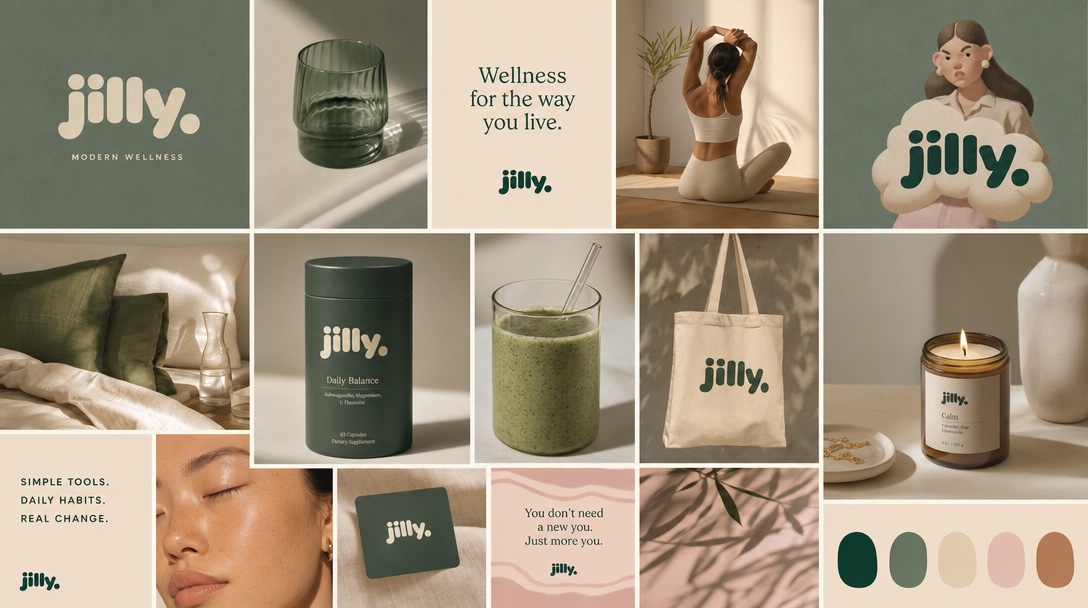
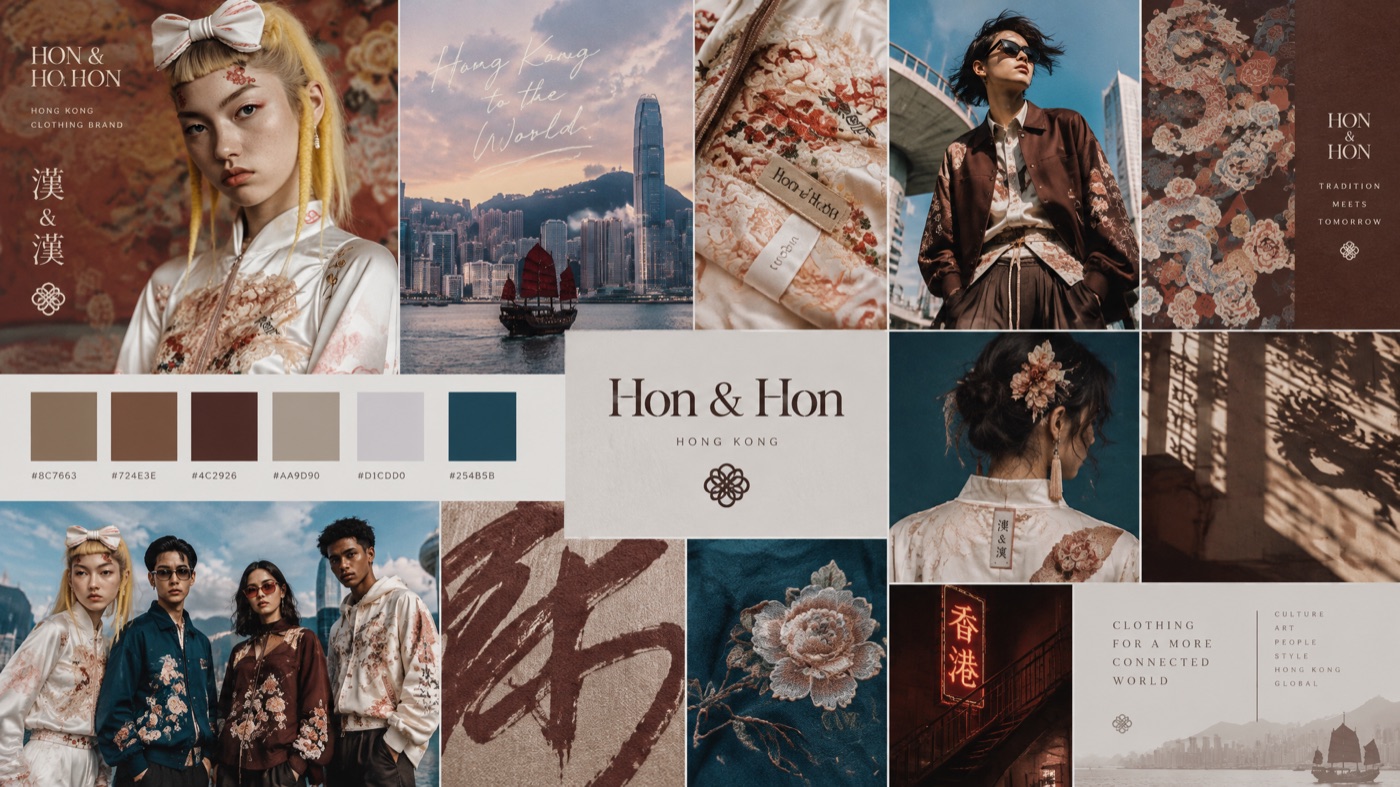
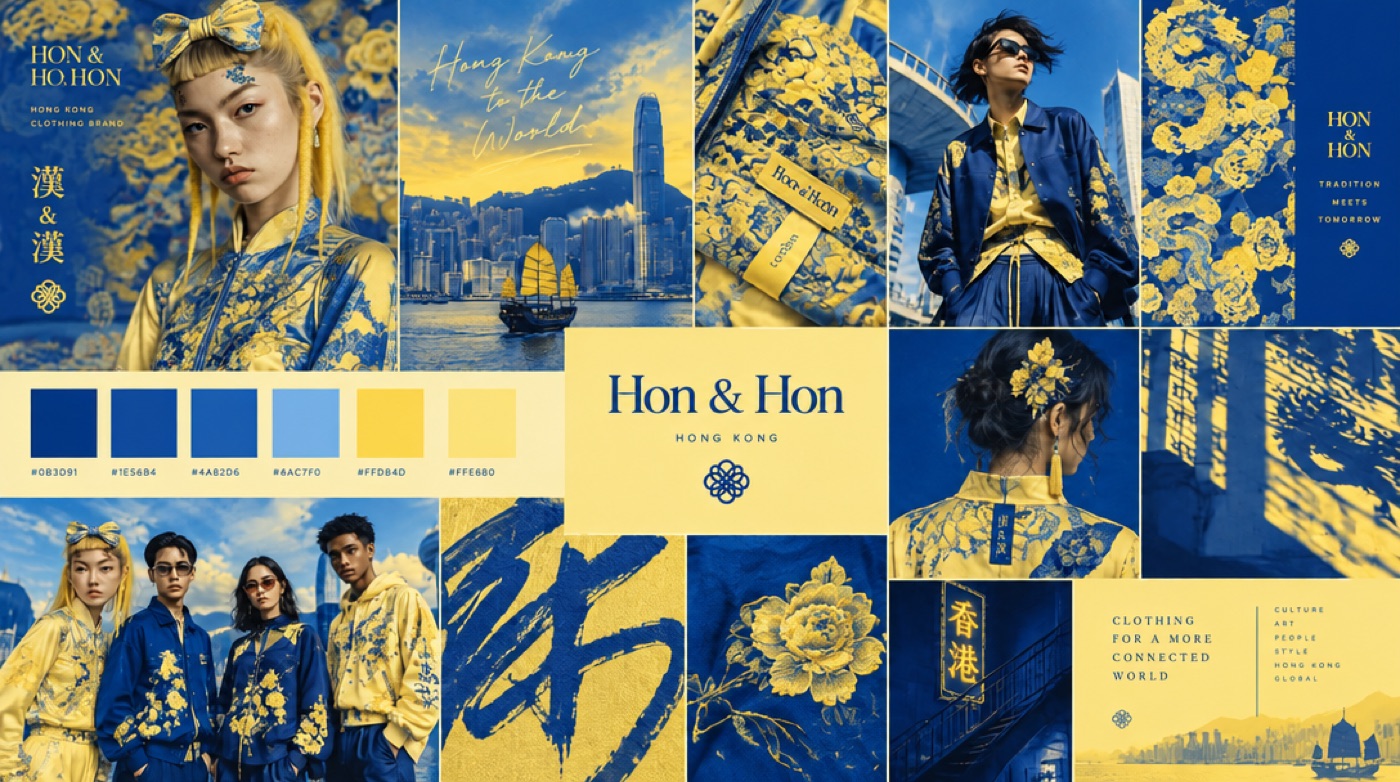
This is the job we built MoodyBoards for. It's an AI mood board generator: you describe a direction in a sentence or two, and you get a full mood board back: palette, type, imagery and mood in one image, ready to show. Writing three sentences gets you three directions that are equally finished, because the same process made all three.
Each client project gets its own board, so one client's look never bleeds into another's. And when a client says “we like it, but can it be brighter?”, you change the mood board and the earlier version stays saved, so you can show both and switch back.
What it won't do: it won't pick the right direction for you, and it won't replace your judgment about which three are worth showing. That part is the job. We wrote about it in the hardest part of creative work is choosing. It also won't hand you a final logo. A mood board is the pitch, not the deliverable.
Plans start at $9.99 a month, which is less than an hour of most freelancers' time. If it saves you one evening per pitch, it has paid for itself.
Show two or three clearly different directions side by side, each as a mood board at the same level of finish. Name each direction in one sentence, explain what it says about the brand, then ask which one feels closest and what they would change.
Two or three. One gives the client nothing to compare. More than three makes it hard to choose and usually means some options are weaker. Every option you show should be one you'd be happy to build.
That's your call, and many designers refuse spec work on principle. If you do pitch free, limit what each pitch costs you: show mood boards instead of finished designs, and save detailed work for after you're hired.
A mood board shows the whole feel of a direction (color, type, imagery, tone) quickly, without the hours a finished logo or website takes. Clients react to feel first, so a board gets you a clear decision for a fraction of the work.
Use the same process and the same layout for every direction, so the only difference is the idea. If one option would need far more work to look finished, cut it rather than rush it.