Not Pinterest screenshots — real generated boards. Each one is a direction you can copy: the palette logic, the type feel, the mood, and a starter description to make your own version.
By C. Borden· Designer, 20 years · Founder of MoodyBoards · July 2, 2026
The hardest part of a mood board is not collecting images. It is committing to one feeling and cutting everything that fights it. The boards below each commit hard, which is why they work. Steal the commitment, not the pictures.
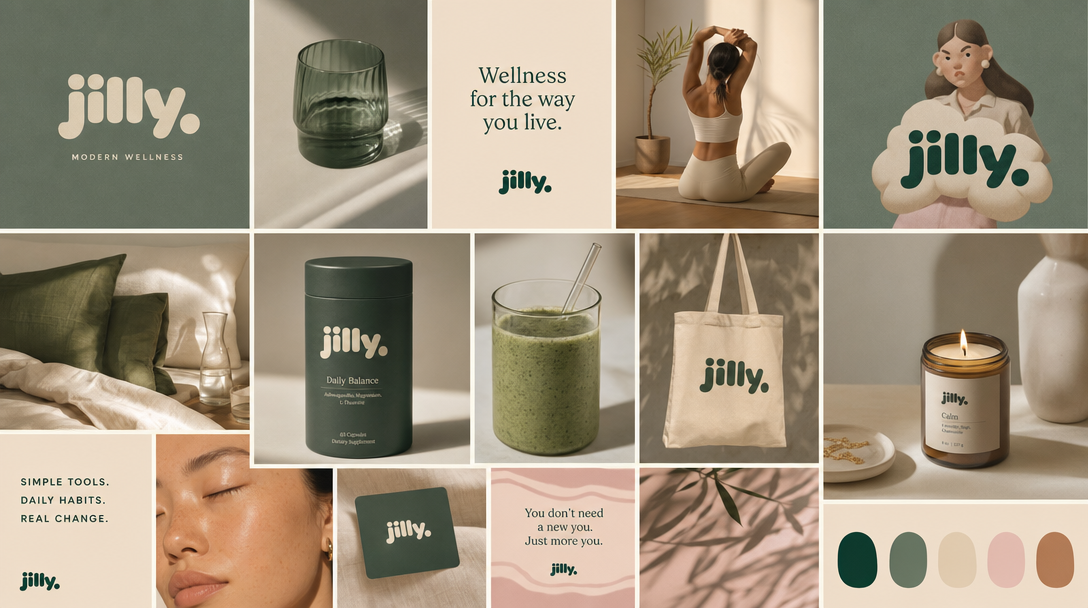
Calm & warm
Modern wellness. Two greens, a cream, a blush. Soft light, linen, ceramic. Works for skincare, supplements, studios — anything that sells calm.
Starter description — paste and edit"A modern wellness brand — sage green and cream, soft morning light, linen and ceramic textures, calm and warm, never clinical."
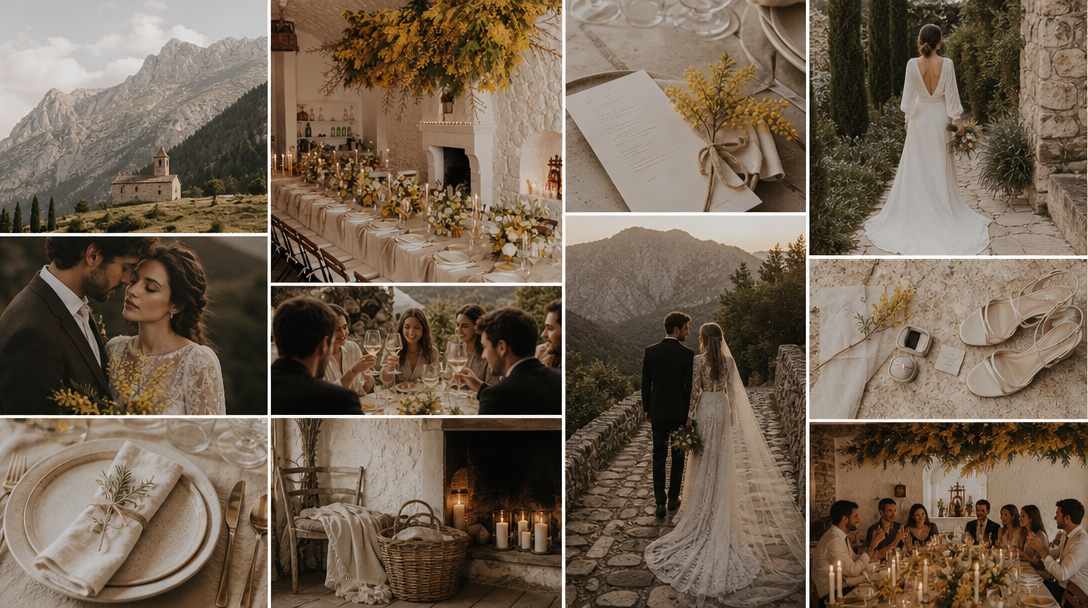
Warm neutral event. Stone, cream linen, olive, one yellow accent. Golden-hour light does the emotional work.
Starter description — paste and edit"A Mediterranean hillside wedding — warm stone, cream linen, olive green and mimosa yellow, golden-hour light, romantic but unfussy."
Loud & graphic
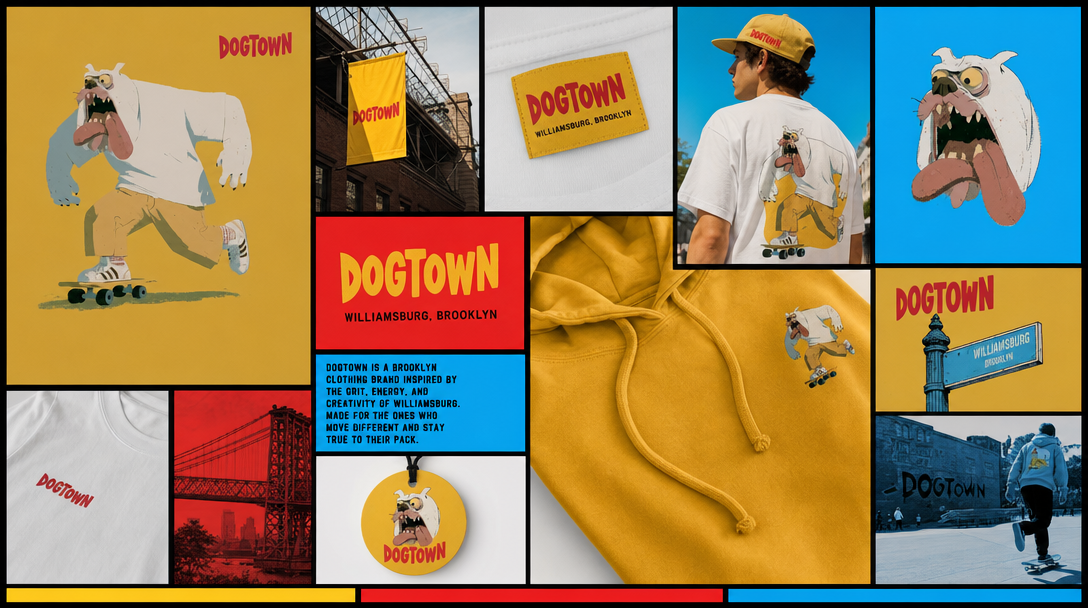
Streetwear primaries. Yellow, red, blue, and a mascot with attitude. No neutrals, no mercy. The board works because nothing on it whispers.
Starter description — paste and edit"A Brooklyn streetwear label — primary yellow, red, and blue, a loud cartoon mascot, hand-drawn energy, skate culture."
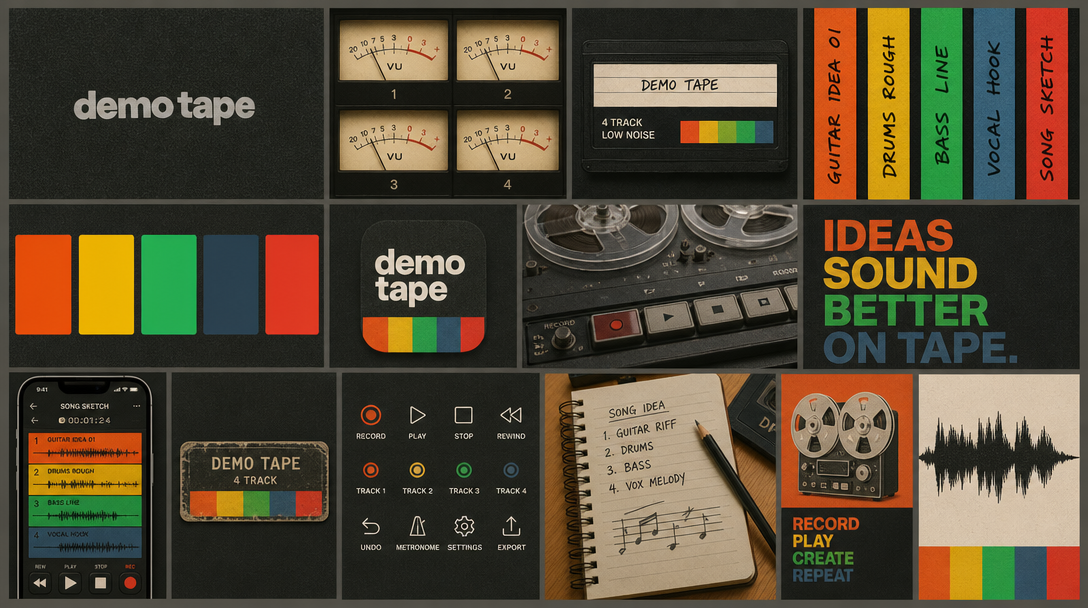
Retro hardware. Charcoal plus four tape-stripe colors. VU meters and reel textures translate a physical object into an app identity.
Starter description — paste and edit"A 4-track recorder app — vintage tape deck aesthetic, charcoal with orange, yellow, green, and blue track stripes, analog warmth."
Dark & moody
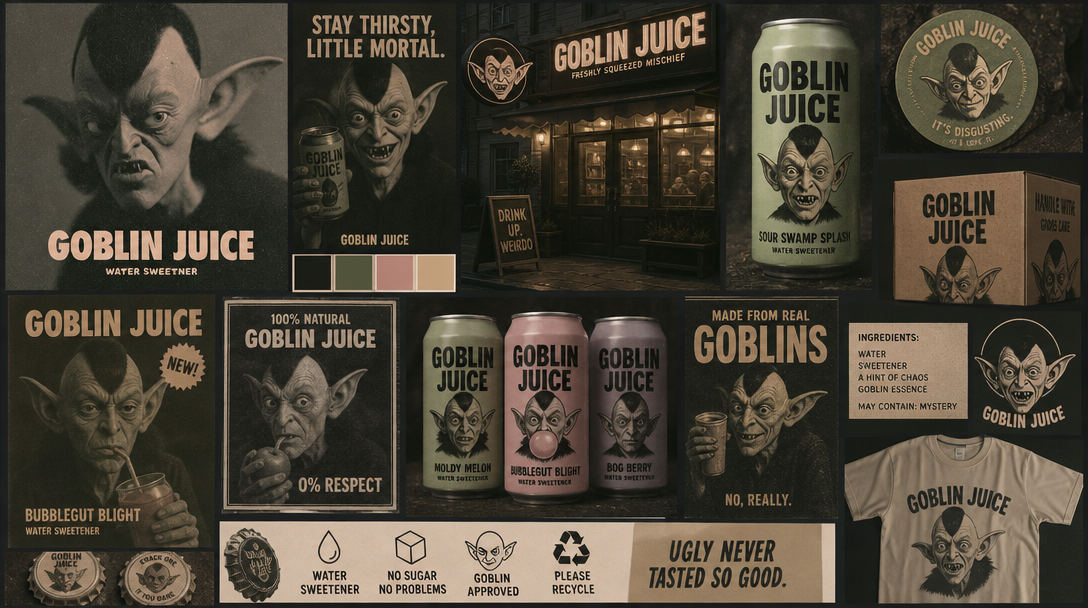
Vintage horror. Charcoal, sage, dusty pink. A grotesque mascot played straight. Dark boards need one joke to keep from taking themselves too seriously — this one has several.
Starter description — paste and edit"A mischievous canned drink — vintage horror-poster style, charcoal and sage with dusty pink, cheeky copywriting, ugly-on-purpose mascot."
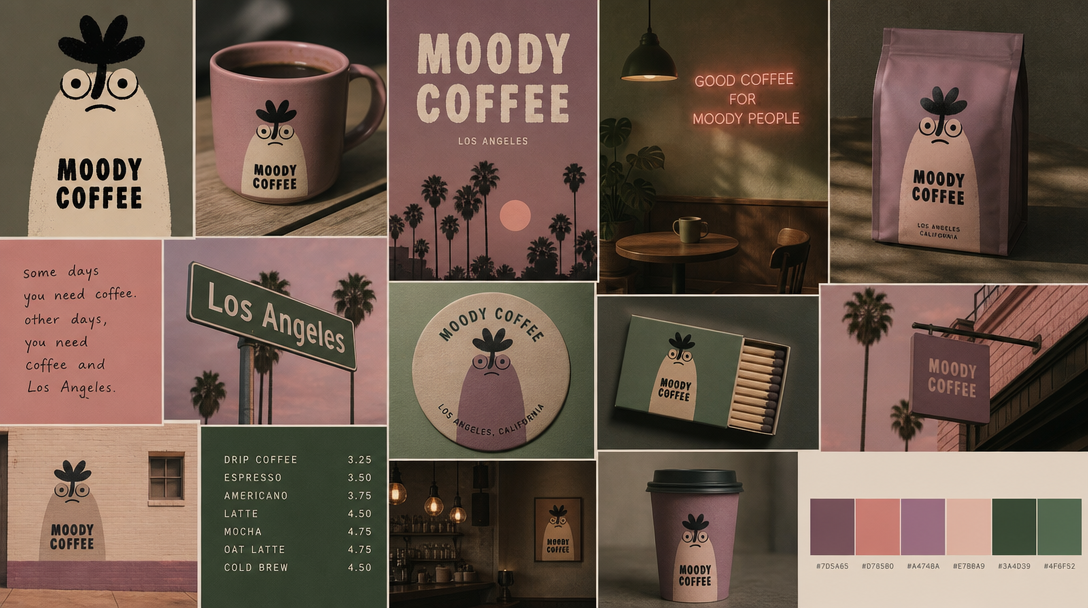
Moody café. Mauve and olive — a pairing almost nobody uses for coffee, which is the point. Palm trees and neon place it in LA without a caption.
Starter description — paste and edit"An LA coffee brand for moody people — mauve and olive palette, a deadpan mascot, dusk light, palm trees and neon."
Minimal & quiet
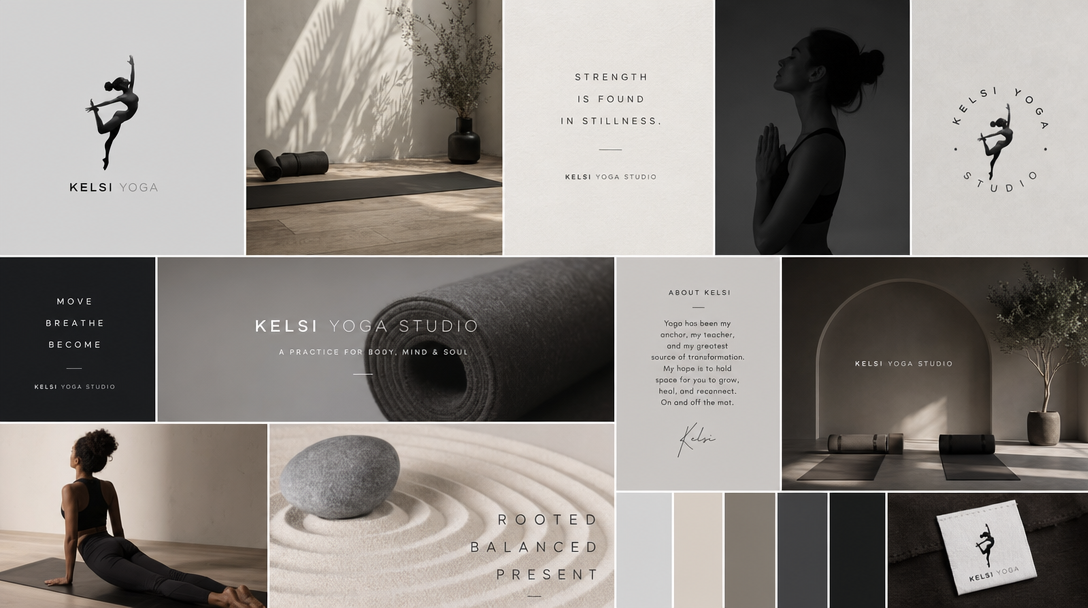
Monochrome studio. Greys and warm sand. The negative space is the design. Good for yoga, architecture, portfolios, quiet luxury.
Starter description — paste and edit"A minimal yoga studio — monochrome greys and warm sand, quiet negative space, soft natural shadows, strength in stillness."
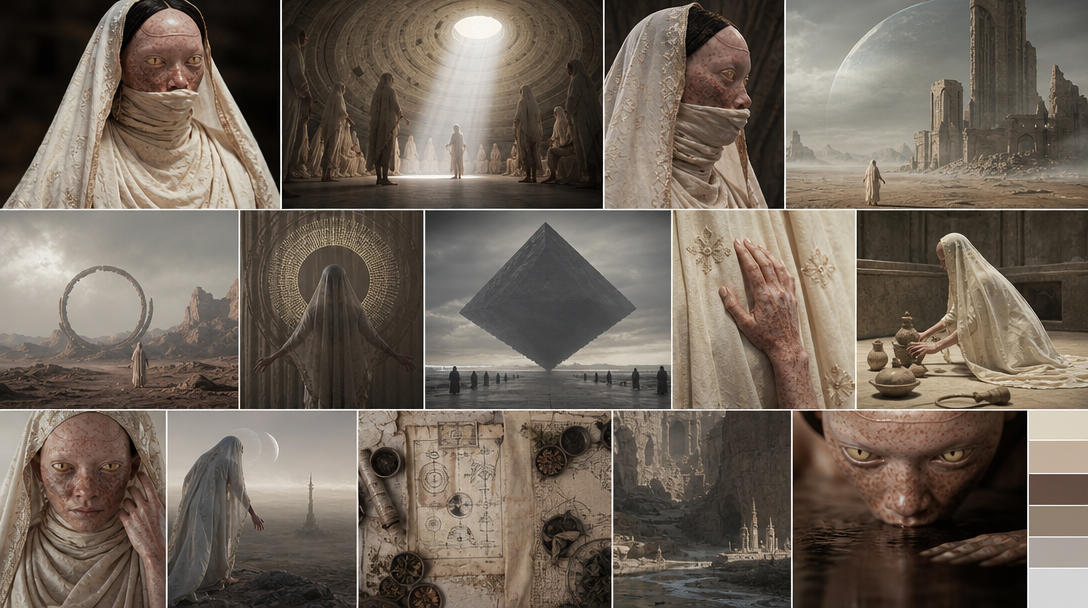
Cinematic bone. One desaturated palette held across faces, costume, and architecture. This is how film worlds stay coherent shot to shot.
Starter description — paste and edit"A desert sci-fi world — bone and taupe, veiled figures, monolithic ruins, overcast light, sacred and strange."
Nostalgic
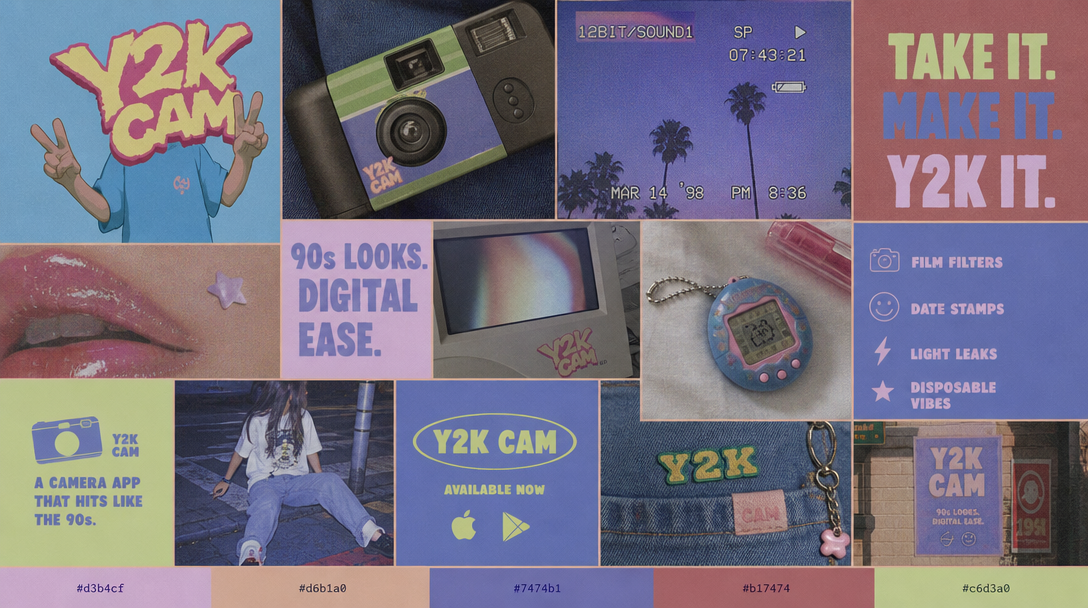
Y2K pastel. Lilac, butter, timestamp overlays, tamagotchis. The board defines an era, not just colors, so everything made from it lands in 1998 on purpose.
Starter description — paste and edit"A 90s camera app — Y2K pastels, lilac and butter yellow, sticker graphics, disposable-camera nostalgia."
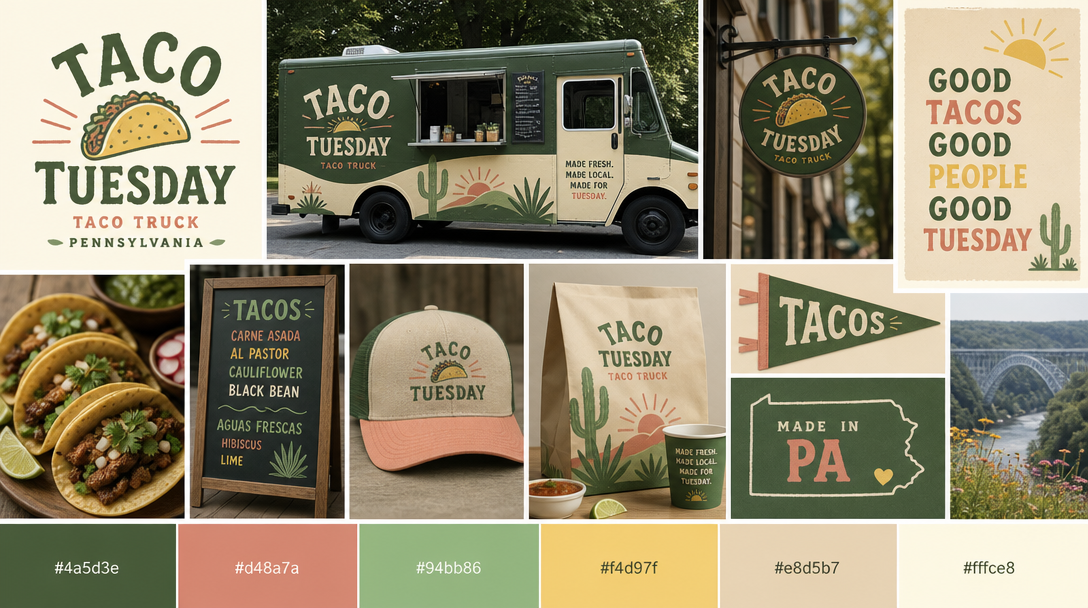
Retro Americana. Forest green, faded coral, hand-painted type, pennants. Local-business warmth without a single stock photo.
Starter description — paste and edit"A neighborhood taco truck — retro Americana, forest green and faded coral, hand-painted signage, sunny, friendly."
Editorial & story
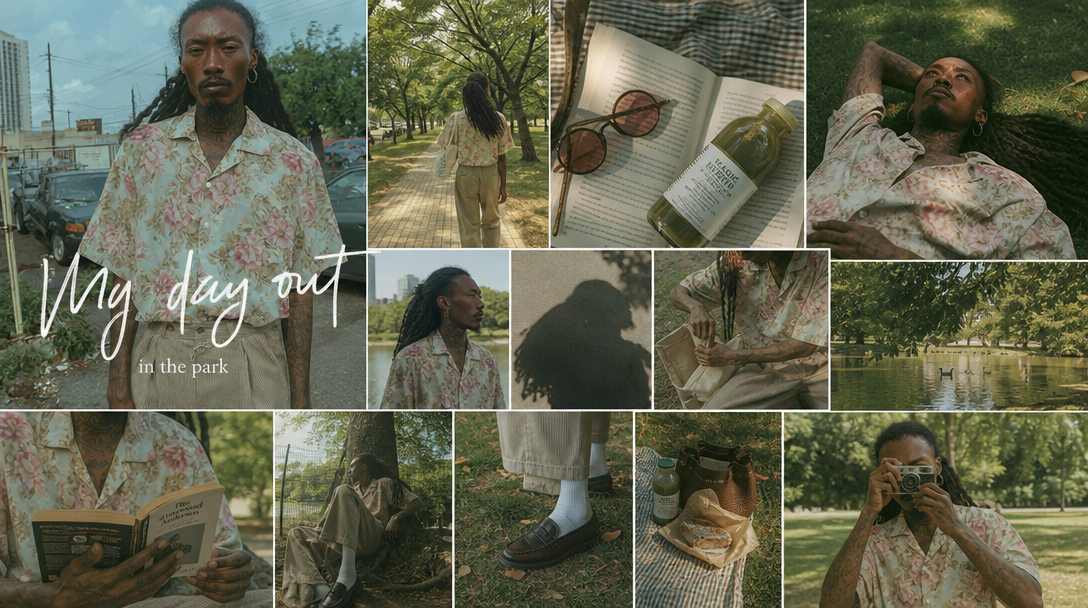
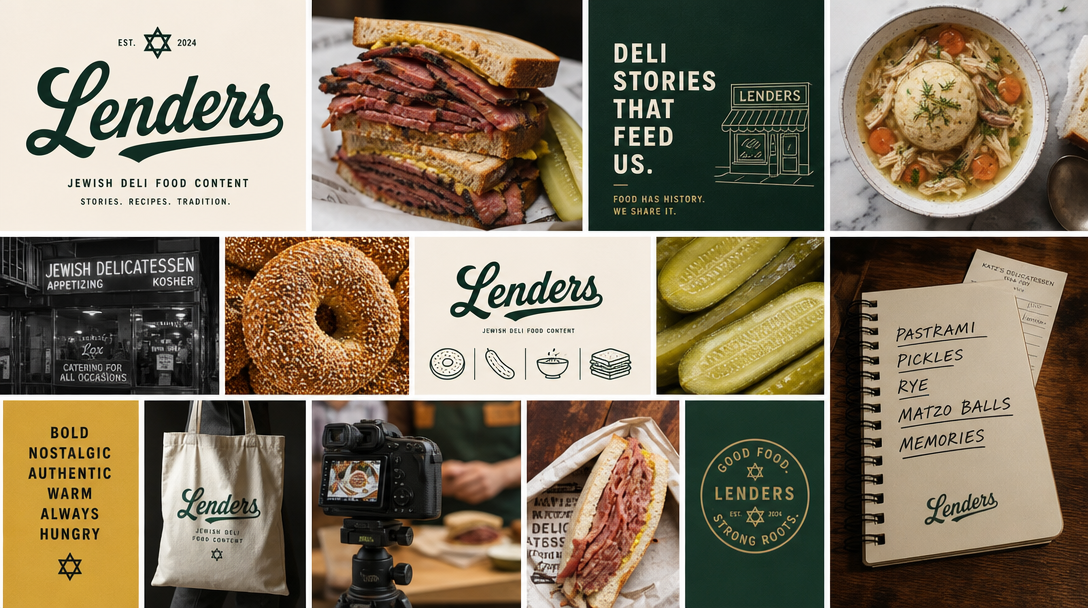
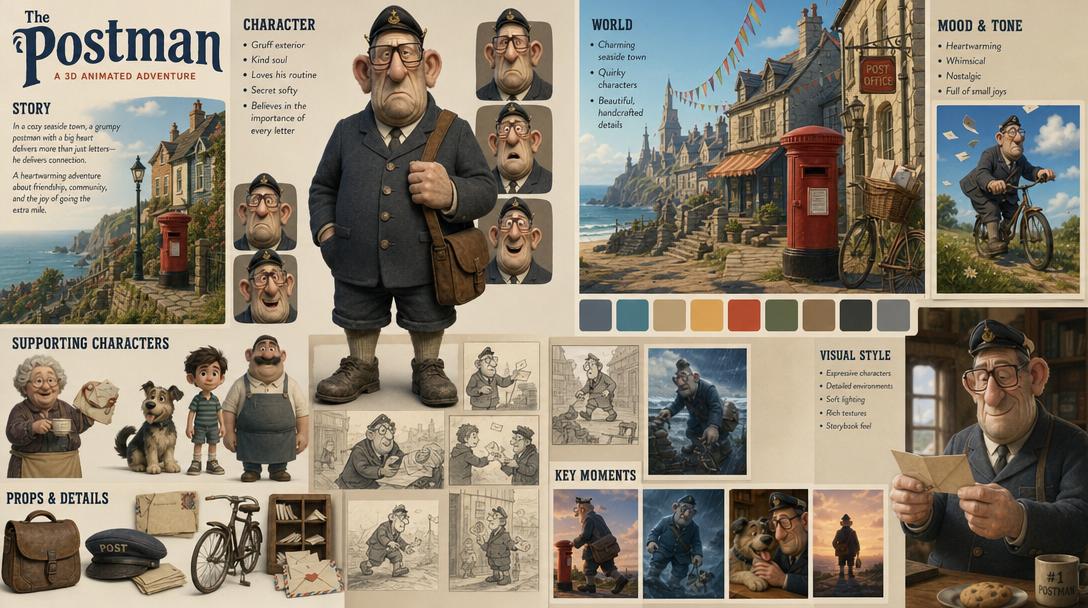
One afternoon, one outfit. Editorial boards are about light and repetition. The floral shirt recurs in every frame, so twelve photos read as one story.Food with a voice. Script mark, deep green, warm food photography — and a handwritten list ("pastrami, pickles, rye, matzo balls, memories") that puts tone of voice on the board.Story pitch. Characters, world, palette, and key moments on one board. A studio can react to this in thirty seconds — that is the whole job.
How to use any of these
Pick the direction closest to your project. Copy the starter description into MoodyBoards, swap the subject for yours, and you get a board in that direction in about two minutes — palette, typography, and images included. Then keep generating: every image after inherits the board.